
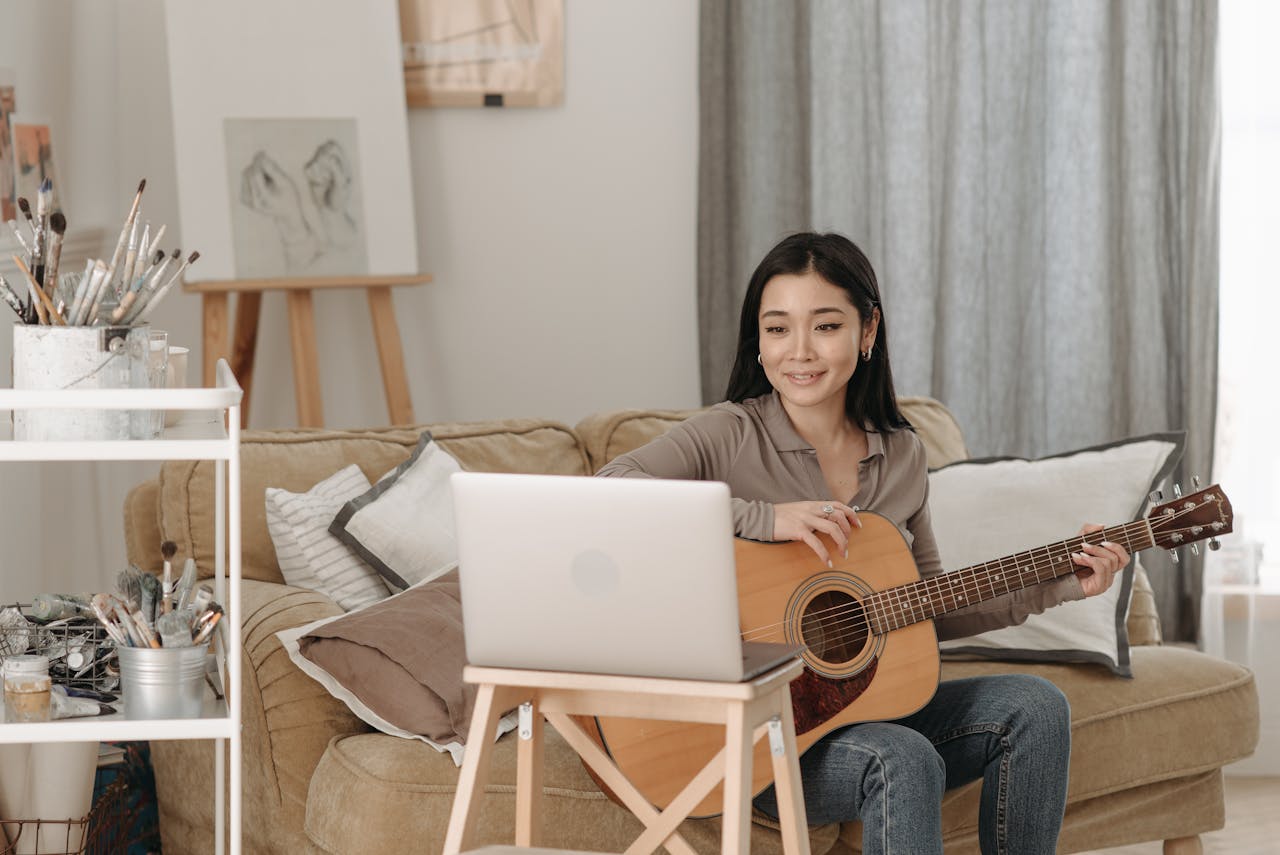
In a culture where being busy often becomes a badge of honor, hobbies can feel like indulgences reserved for people with extra time. Yet research consistently shows that engaging in meaningful pastimes isn’t just fun; it can be beneficial for mental health. Hobbies can provide structure, creativity, social connection and stress relief, all of which support one’s emotional well‑being.
Research shows that engaging in hobbies is linked to lower levels of depression, anxiety and stress, as well as greater life satisfaction.
This article highlights the mental health benefits of hobbies and how to overcome the barriers to enjoying them as an adult.
Mental Health Benefits of Hobbies
Engaging in hobbies can have the following mental health benefits:
Reduced stress and emotional balance
Hobbies can serve as a powerful form of stress relief by providing a break from daily responsibilities. Creative activities have been shown to lower cortisol levels, even for people without prior experience.
Improved mood and cognitive function
Engaging in hobbies can stimulate the brain through learning and creativity. Research shows that when people try new activities, the brain often forms new synapses and releases dopamine, which can enhance mood and cognitive resilience. Creative hobbies, such as writing, painting or playing an instrument, also improve subjective well‑being by fostering self‑expression and mastery.
Increased social connection and community support
Group-based hobbies, such as book clubs, sports leagues and craft groups, can decrease loneliness and build support networks. Community-based hobbies can be especially valuable for bonding with others and relieving stress.
Reduced anxiety and depression
Research provides consistent links between hobby participation and lower levels of depression, anxiety and stress. Hobbies can foster relaxation, pleasure and overall life satisfaction.
Common Barriers When Developing a Hobby as an Adult
Hobbies offer clear mental health benefits, yet many adults still find it hard to start or maintain one due to everyday responsibilities. Here are some common barriers when developing a hobby as an adult, and how to overcome them:
Lack of time
Many adults struggle to make space for hobbies because responsibilities such as work and family make leisure feel secondary or frivolous. A simple way to overcome this is to schedule just 10-15 minutes for a small, approachable hobby each day, which can help build a consistent routine without overwhelming your schedule.
Self-doubt or perfectionism
Adults often feel pressured to excel at hobbies, viewing them as achievements rather than sources of joy. To push past this barrier, focus on fun over mastery and allow yourself to be a beginner, which can make hobbies more enjoyable and sustainable.
Financial or access barriers
Costs for supplies, classes or equipment often make adults hesitate to start a new hobby. One way to ease into something new is to begin with free or low-cost options, such as online tutorials, borrowed materials or simple activities (e.g., journaling or walking), before investing more later. Local libraries can also be a great resource. Many offer free workshops, access to tools or equipment, craft kits and even collections where you can borrow items such as cameras, musical instruments or sewing machines.
Screen fatigue
Many adults default to passive screen time, which doesn’t offer the restorative benefits that intentional hobbies provide. Replacing even a small portion of screen time with a simple, hands-on activity such as doodling or journaling can make it easier to shift toward more fulfilling leisure.
Conclusion
Making time for hobbies isn’t self‑indulgent; it’s essential. Whether you’re crafting, building community through a book club, rediscovering creativity or trying a new physical activity, hobbies can help enhance emotional well-being and balance the demands of modern adult life.
If you’re finding it hard to enjoy activities you once liked or have little interest in doing any hobbies, consider reaching out to your health care provider. For additional support or guidance on building your mental wellness, a doctor or licensed mental health professional can help.
© 2026 Zywave, Inc. All rights reserved.
Make Time for Hobbies – Hire a Nanny
Need some extra free time to pursue a hobby and boost your mental health? A nanny can help give you that break in your day you need.
When you’re ready to hire a nanny, let our agency help! Our professional, experienced, thoroughly screened caregivers have been providing peace of mind to Capital Region families for more than 34 years.
If you need full- or part-time care, or just occasional babysitting, after-school care, housekeeping, or anything else in your home, let us know how we can help.
Request a service or give us a call at (518) 348-0400 and we’ll provide a free consultation to get you the care you need.