
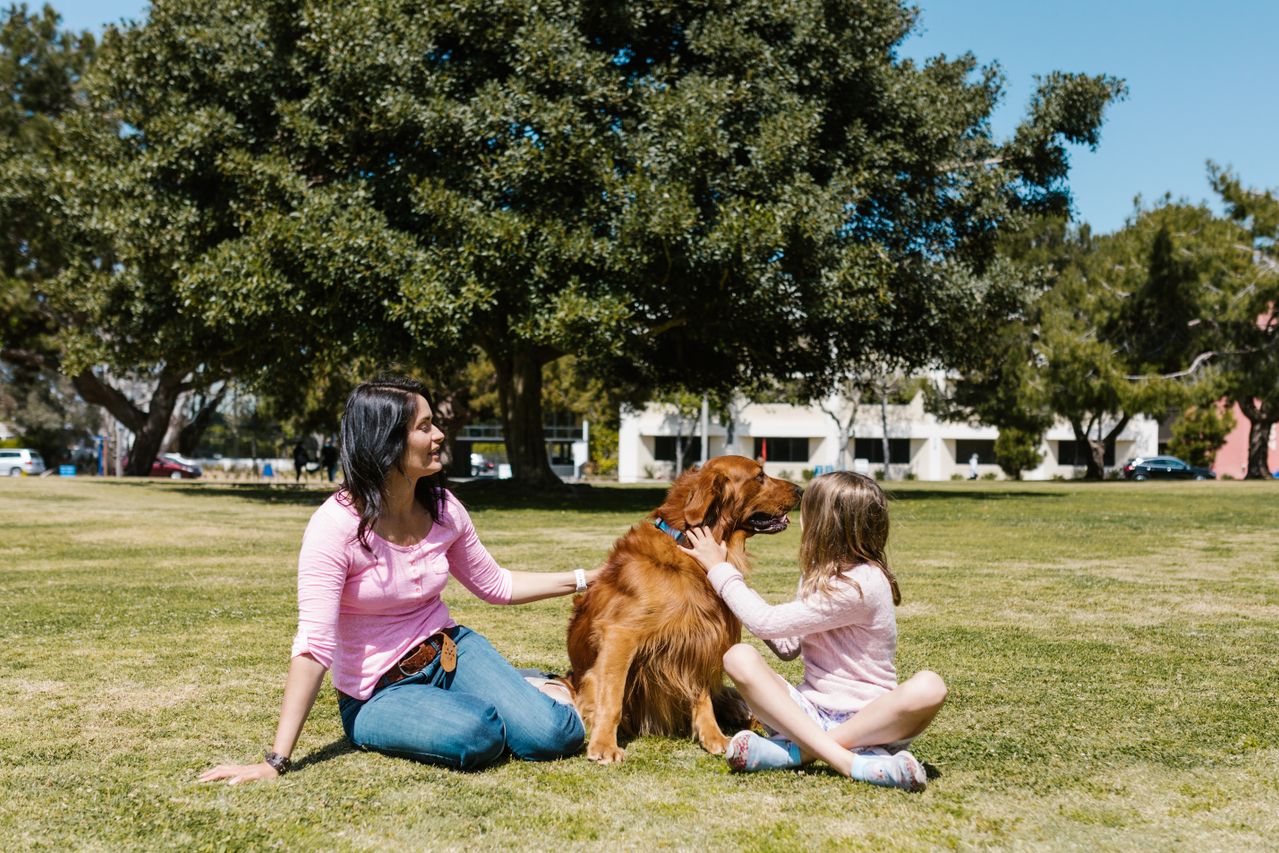
For many families, pets are just as much a part of the household as the children. Whether you have a playful Labrador, an independent cat, or a home full of smaller animals, it's important to consider how your pets will fit into your nanny relationship.
The right nanny should feel comfortable working in your home, and your pets can have a significant impact on their daily experience. Thinking through these considerations before you begin your search can help you find a caregiver who is a great fit for your entire household.
Be Upfront About Your Pets
One of the biggest mistakes families can make is waiting until the interview or even the first day of work to mention their pets. Instead, include information about your animals in your job description and discuss them early in the hiring process.
Be sure to share details such as:
- The type and breed of your pets
- How many pets you have
- Their size and age
- Their typical temperament
- Whether they spend most of their time indoors or outdoors
A nanny who knows what to expect can honestly assess whether they'll be comfortable in your home.
Ask About Comfort Level and Experience
Not everyone is a "pet person," and that's okay. Some candidates may have extensive experience caring for children in homes with dogs or cats, while others may have allergies, fears, or limited exposure to animals.
During the interview, ask questions such as:
- Have you worked in homes with pets before?
- Are you comfortable around large or energetic dogs?
- Do you have any allergies to animals?
- Have you ever cared for children while managing pets in the home?
The goal isn't necessarily to find someone who loves animals, but rather someone who feels comfortable and confident working around them.
Define Pet-Related Responsibilities
Every family has different expectations regarding pets. Some simply expect the nanny to coexist with the family dog, while others would appreciate occasional help with pet care.
If you expect the nanny to let the dog outside, feed pets during the day, refill water bowls, take a dog for a walk while the children are in the stroller, or clean up minor pet messes, be sure those responsibilities are clearly outlined before employment begins.
If pet care will be a regular part of the position, consider whether additional compensation is appropriate, particularly if the responsibilities extend beyond simple tasks.
Consider Your Pet's Personality
Even friendly pets can present challenges. A dog that jumps on visitors, barks excessively, or becomes anxious around strangers may make it difficult for a nanny to settle into the role.
Think honestly about your pet's behavior:
- Does your dog become protective around new people?
- Does your cat tend to hide or become stressed?
- Are there any behaviors that could interfere with childcare?
If necessary, work on training or behavior modification before your nanny begins. A calmer pet creates a smoother transition for everyone.
Discuss Safety Around Children
Pets and children often develop wonderful relationships, but safety should always come first.
Talk with your nanny about your family's rules regarding pet interactions, including:
- Whether children are allowed to feed the pets
- How to supervise interactions between young children and animals
- Areas of the home that are off limits to pets
- What to do if a pet becomes stressed or overly excited
Consistency helps both children and pets understand boundaries.
Create a Comfortable Introduction
The first meeting between your nanny and your pets can set the tone for the future.
If possible, introduce pets in a calm environment. Keep dogs leashed initially if they're excitable, and allow cats to approach on their own. It's important to give everyone time to become familiar with each other and avoid forced interactions. Just as children need time to adjust to a new caregiver, pets often do as well.
Have a Plan for Emergencies
Even well-behaved pets can experience unexpected health issues or accidents.
Provide your nanny with information such as:
- Your veterinarian's contact information
- Emergency contact numbers
- Feeding schedules
- Any medications your pet receives
- Instructions if your pet escapes the yard or becomes ill
Likewise, discuss what to do if a child is accidentally scratched or bitten, even if the likelihood is very small.
Respect Your Nanny's Boundaries
While many nannies enjoy interacting with family pets, remember that their primary responsibility is caring for your children.
Avoid assuming they'll automatically provide pet sitting, overnight care, grooming, or extensive exercise unless those duties are part of the agreed-upon position. Clear expectations help maintain a positive working relationship and prevent misunderstandings.
The Right Match Benefits Everyone
A nanny who feels comfortable with your pets is more likely to enjoy working in your home, while pets that accept a new caregiver can make the transition much easier for the entire family.
By discussing pets openly, setting clear expectations, and considering everyone's comfort and safety, you can create an environment where your children, your pets, and your nanny all thrive together.
Finding a Nanny Who Fits Your Entire Household
At A New England Nanny, we know that every family is unique, including the four-legged members. During the placement process, we take the time to understand your household, your children's needs, and your pets so we can match you with candidates who are comfortable and confident in your home environment. Whether you have one easygoing cat or several energetic dogs, we'll help you find a nanny who is the right fit for your whole family.
Request a service or give us a call at (518) 348-0400 and we’ll provide a free consultation to get you the care you need.