
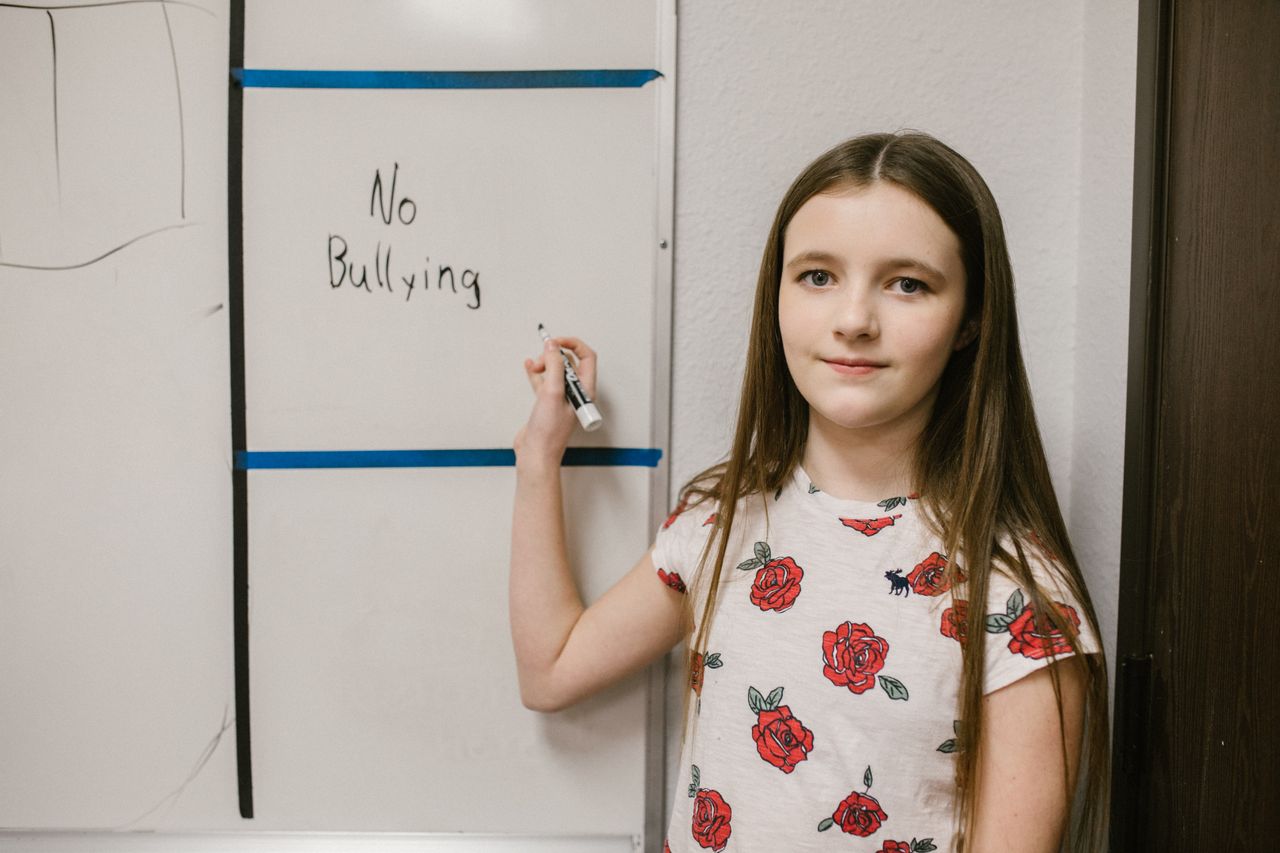
Bullying can be a problematic part of student interactions, as perpetrators may often go unchecked and targets can be reluctant to report the behavior. As a parent, you can help recognize and address bullying at your child’s school by understanding its common signs and taking appropriate action.
What are Signs That Your Child is Being Bullied?
Parents’ perceptions and commitment to taking an active role in their children’s lives can be key to identifying signs of potential bullying. Consider the following possible indicators:
- Unexplainable injuries, such as cuts, scrapes and bruises
- Lost or damaged personal items, including clothes, electronics and backpacks
- Frequent requests to stay home from school
- Sudden or unusual declines in grades
- Changes in eating habits, such as skipping lunch
- Difficulty sleeping
- Avoiding certain situations or environments, such as riding the school bus
- Disconnection from friends, extracurriculars or social circles
- Reduced self-esteem
- Talking about or acting on self-harm
- Not wanting to talk about their day
- Changing schedules, such as wanting to leave early for school or coming home late
What Are Signs That Your Child May Be Bullying Someone Else?
Although it can be unpleasant to consider, parents should also be on the lookout for signs that their children may be targeting others at their schools. Take time to talk to your children and be on the lookout for these signs:
Getting into fights
Although it’s possible your child could simply be defending themselves, regular or repeated physical altercations could suggest a pattern of concerning behavior.
Spending time with bullies
If you notice your child spends time with friends who bully others, you need to consider they might also be taking part.
Putting down others
Children who regularly or casually speak poorly about their classmates or have fun at their expense may be acting even more harshly when you’re not around.
Recurring punishments or behavioral issues
Bullies are often given detention or even suspended for their actions, but your child may not be entirely truthful regarding the reasons. Take time to contact teachers, principals or other school staff to inquire, especially if you notice patterns developing.
Acquiring new possessions or money
Just as lost or damaged items can be a sign your child is being bullied, unexplained new possessions or cash can indicate they’re bullying someone else.
What is Cyberbullying?
Although bullying may invoke images of children being pushed into lockers, tripped in the hallways or mocked in the cafeteria, modern technology has also enabled cyberbullying. This behavior involves bullies using electronic devices and digital platforms (e.g., social media) to target their victims. Even after the day is over and your child is safely in their bedroom, they could still be targeted through these channels.
Cyberbullying may be difficult to detect due to its lack of physical indicators, such as mysterious bruises and lost belongings. Still, parents who carefully observe their children’s behaviors and hobbies may be able to identify a problem. For example, children who are being cyberbullied may experience mood swings after using their smartphones or tablets. Additionally, they may show decreased interest in social media and other online activities, or become secretive about their internet use.
Why is Bullying a Big Deal?
Bullying can have serious consequences for both victims and perpetrators. Children who are subjected to it may experience serious mental and physical health issues, including a greater risk of depression, anxiety, isolation and low self-esteem. These issues can last far longer than a single school year and may even stunt mental, social and emotional development.
Meanwhile, children who bully others may be more likely to engage in violent and risky behaviors, including substance abuse and criminal activity. In fact, bullies themselves may also experience an increased likelihood of developing depression or engaging in self-harm. As a parent, you may even face legal action stemming from your child’s behavior, as many states hold parents liable for bullying-related injuries caused by their child, particularly where there’s a lack of intervention or reporting.
In Summary
Understanding possible signs of bullying and taking an active role in addressing them are critical to helping children enjoy a healthy, nontoxic school environment. Visit StopBullying.gov for additional resources and guidance.
© 2026 Zywave, Inc. All rights reserved.
Let Us Find the Right Childcare for You
At a New England Nanny, we encourage families to work with our agency. We’ll help match candidates based on personality, parenting style, and family values, not just qualifications.
Our professional, experienced, thoroughly screened caregivers have been providing peace of mind to Capital Region families for more than 34 years.
If you need full- or part-time care, or just occasional babysitting, camp pickup and drop-off, housekeeping, or anything else in your home, let us know how we can help.
Request a service or give us a call at (518) 348-0400 and we’ll provide a free consultation to get you the care you need.